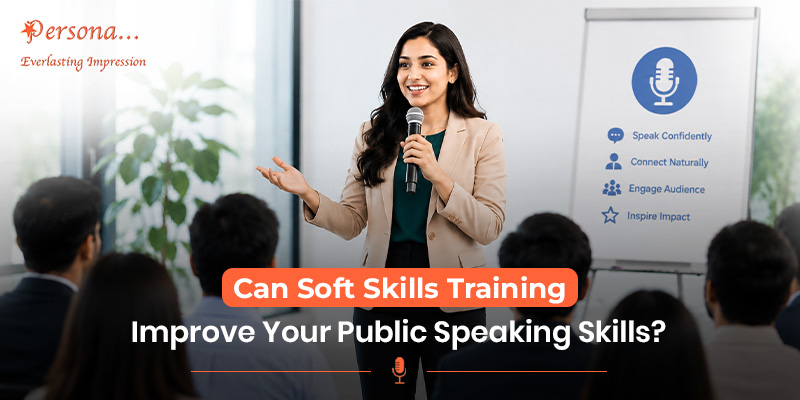
Can Soft Skills Training Improve Your Public Speaking Skills
A soft skills training course teaches you which habits affect how you are perceived, not just how loud or clear you speak. A soft skills training course in Andheri works on those habits, the ones that affect how you come across before you even open your mouth. The way you communicate directly affects how people read your confidence and your readiness for bigger responsibilities.
Table of Contents
- Can Soft Skills Training Help Me Overcome Stage Fright and Public Speaking Anxiety?
- What Public Speaking Techniques Are Taught in Soft Skills Courses in Andheri?
- How Long Does It Take to Improve Public Speaking Skills Through a Soft Skills Course?
- Is Soft Skills Training Helpful for Professionals Who Need to Give Client Presentations Regularly?
- What Is the Difference Between a Public Speaking Workshop and a Soft Skills Training Course?
Can Soft Skills Training Help Overcome Stage Fright and Public Speaking Anxiety
Stage fright is not really a personality thing. Most people think it is something you are either born with or without. That is not quite right.
It is more of a habit—a set of reactions that show up before you speak. Soft skills training works on changing those reactions through practice, not by reading about them. You learn how to calm yourself before stepping up, get feedback in real time, and slowly the anxiety becomes something you manage rather than something that manages you.
What Public Speaking Techniques Are Taught in Soft Skills Courses in Andheri
A corporate soft skills training institute in Andheri West focuses on techniques that work in actual workplace situations, not just prepared speeches in front of a friendly crowd. The core areas covered are:
- Structuring your message: How to start strong, keep the middle from losing people, and end in a way that lands. Most presentations fail at one of these three points.
- Body language: Where you look, how you stand, what you do with your hands. These things say a lot before you even get to your first sentence.
- Voice control: Pace, volume, and silence. Most people rush when they are nervous. Learning when to slow down or pause completely changes how you come across.
- Reading the room: Noticing when the audience is checking out and knowing how to pull them back. This is harder than it sounds and more useful than almost anything else on the list.
This One is Worth Reading Too: The Importance of Corporate Soft Skills Training: A Simple Guide
How Long Does It Take to Improve Public Speaking Skills Through a Soft Skills Course
Most people notice a change during the course itself. Nerves become more manageable and putting points together on the spot starts to feel less forced. The deeper shift, where presentations stop feeling like something to get through, usually comes with a few weeks of practice after the course ends.
A professional soft skills development course in Mumbai gives you the tools and the structure. The rest depends on how consistently you use them once you are back in the room on your own.
Is Soft Skills Training Helpful for Professionals Who Need to Give Client Presentations Regularly
It is. Client-facing professionals often know their subject well but present it in a way that feels heavy or hard to follow. The client ends up confused or disengaged, and the professional does not always know why.
A soft skills workshop for employees in Andheri, Mumbai trains you to read whether the client is following along, simplify without losing substance, and stay steady when questions or silence throw you off.
Here is what that development typically looks like in practice:
- Active listening: Understanding what the client actually wants from the meeting rather than just running through your agenda.
- Emotional regulation: Tough questions and awkward silences happen in every client meeting. This is about staying calm when they do.
- Flexibility: It’s about reading the room and adjusting as you go along.
- Clarity of thought: Getting your thoughts in order quickly so your answers sound like you meant them.
What Is the Difference Between a Public Speaking Workshop and a Soft Skills Training Course
A workshop is focused on delivery, things like voice, structure, and stage presence. A soft skills course teaches more than that. It teaches you communication, confidence and how you present yourself in your day-to-day life, not just formal presentations. For corporates evaluating the best soft skills training companies in Mumbai, the difference matters because the right choice depends on how deep the gap actually goes.
In Conclusion
Confidence in front of a room comes from practice, not personality. Persona's soft skills training course in Andheri builds that through structured training grounded in real communication skills. Get in touch to know more about the course.
Some leaders decide fast and get it right. Others overthink and stall. Find out why in the next post!
Frequently Asked Questions
- Will the course help me if I already have some public speaking experience?
- How is feedback given during the soft skills course?
- Can the course help with virtual presentations and online meetings?
Yes, the course works on habits and blind spots that even experienced speakers are often unaware of.
Feedback is given in real time during practice sessions, so you know exactly what to work on rather than guessing after the fact.
Yes, the communication and delivery skills covered apply to virtual settings just as much as in-person ones.